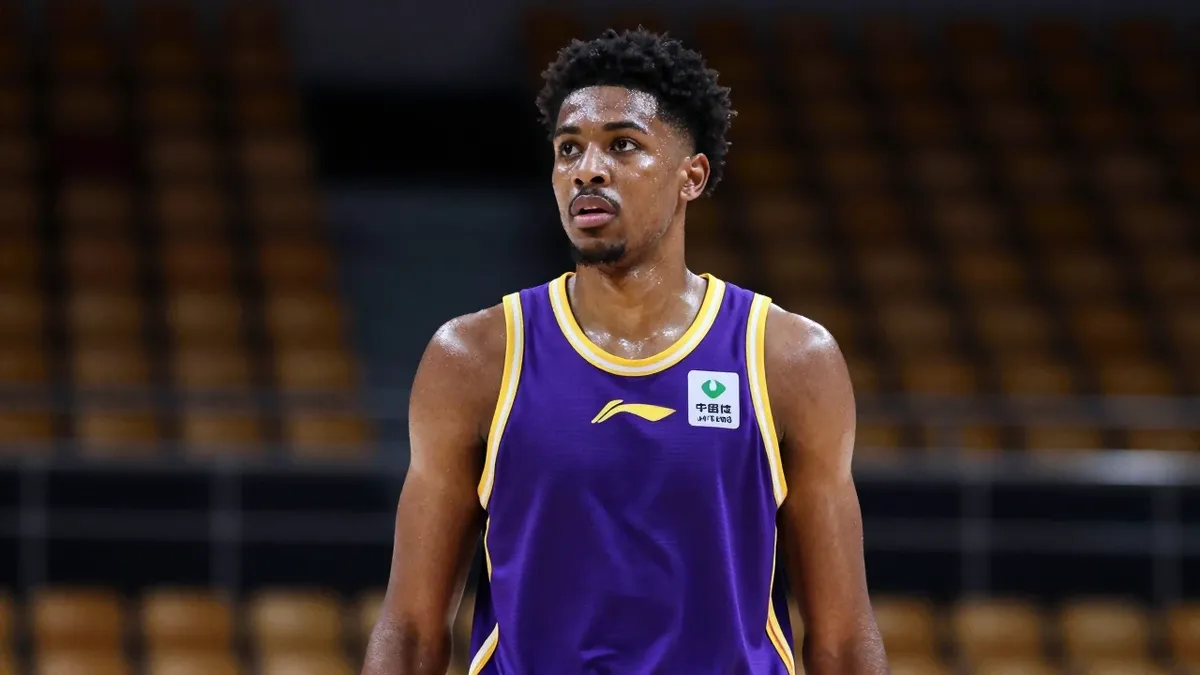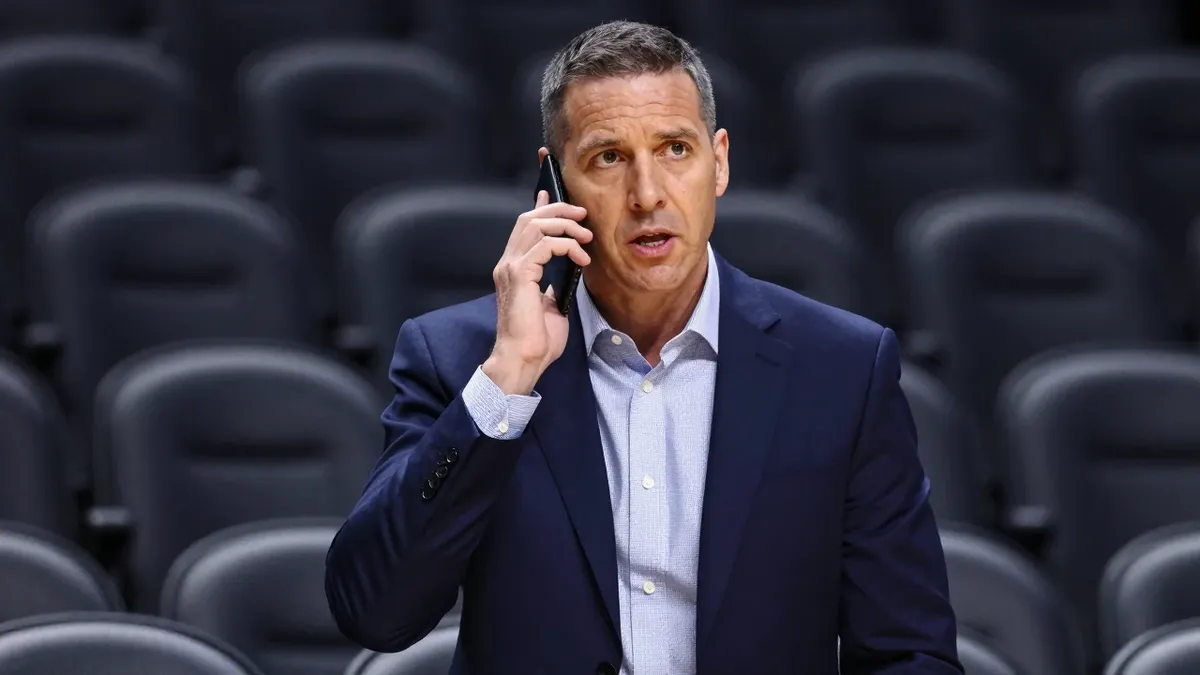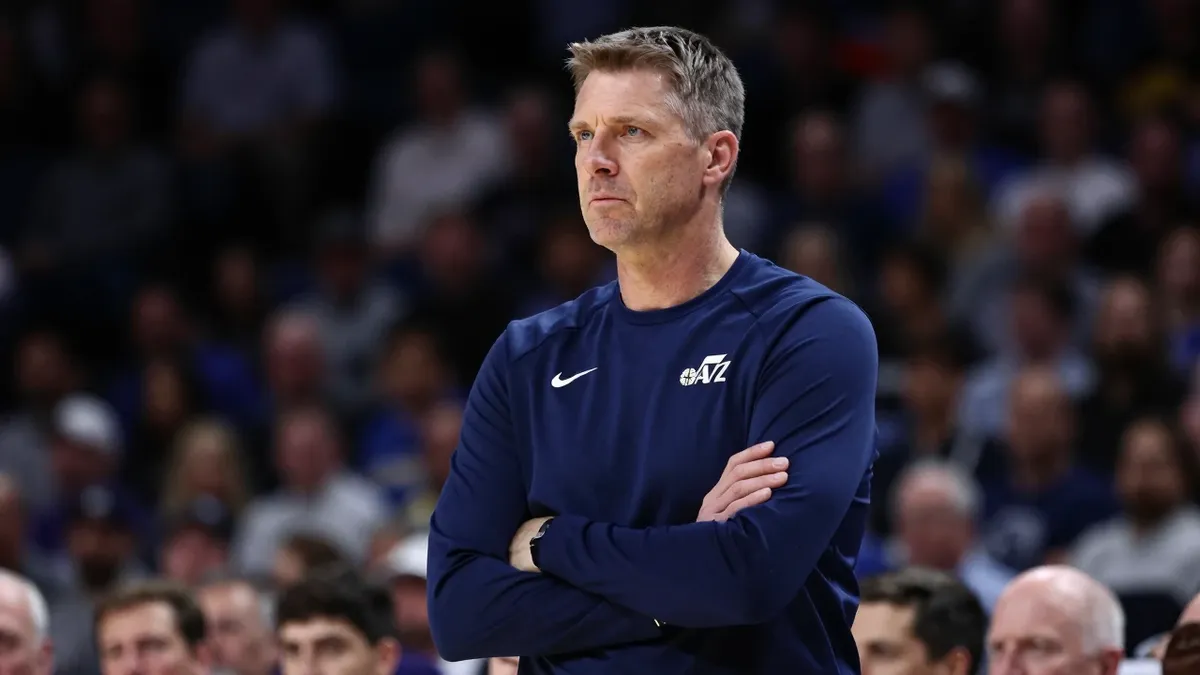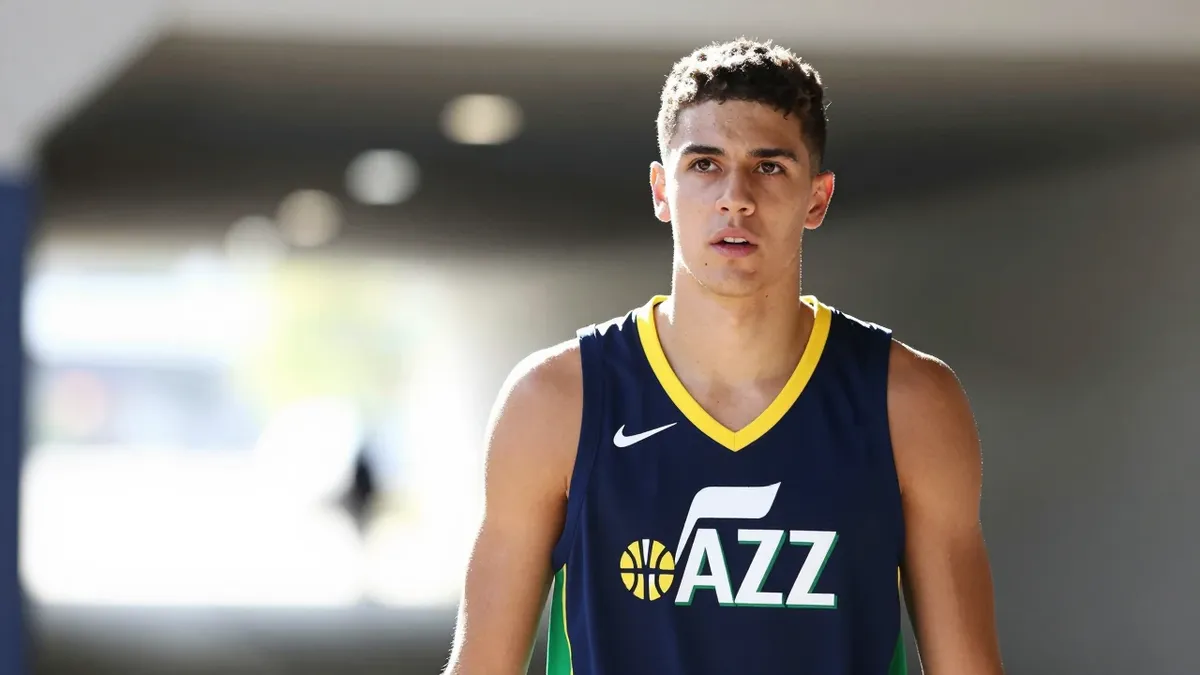
The Utah Jazz are building a formidable war chest of future NBA Draft assets, positioning themselves with significant flexibility from 2027 through 2033. This strategic stockpile comes after a series of major offseason moves, including the acquisition of Jaren Jackson Jr. and the trade of Walker Kessler.
The Jazz's draft portfolio is complex and packed with potential. From 2027 onward, they hold a mix of their own selections and picks acquired from other teams, primarily the Cleveland Cavaliers, Minnesota Timberwolves, and Los Angeles Lakers. In 2027, they own one first-rounder: the second-best selection among their own, Cleveland's, and Minnesota's picks. The 2028 draft sees them holding the best pick from among their own, Cleveland's, and the Lakers' assets.
Things get even more interesting in 2029. Utah is slated to have two first-round picks that year: the best and the second-best selections from a pool of their own, Cleveland's, and Minnesota's picks, with top-five protections in place. The following year, 2030, brings another layer of strategy with a potential swap right with the Lakers for their own selection. The asset flow continues with two unprotected first-rounders in both 2031 and 2033, one from the Lakers and their own.
This accumulation of picks is the foundation of the franchise's rebuild. Executive Danny Ainge has consistently prioritized future flexibility, and this cache allows the Jazz to be major players in any trade discussion for a disgruntled star. It also provides insurance.
They offer multiple pathways. Utah can package several picks to move up in a draft for a coveted prospect. Alternatively, they can use them to acquire established talent to accelerate the timeline around a player like Jaren Jackson Jr. Having this many future assets mitigates the risk of any single draft miss or failed trade.
The present informs the future. Every game provides evaluation data on which young players might be long-term pieces.
A higher lottery position in coming years increases the value of those selections, whether they are kept or traded. The team's development will determine if they are buyers or sellers at future trade deadlines, with all decisions filtered through the lens of protecting or leveraging this draft capital.
Patience is the immediate plan. The Jazz will continue to develop their young roster while monitoring the performance of the teams they owe picks to or get picks from, like Cleveland and the Lakers. The value of those incoming selections fluctuates with those teams' fortunes. The front office's job is to maximize that value when the time is right.
Scouting for the 2027 draft is already underway in some form, even though Darryn Peterson, this year's No. 2 overall pick, hasn't played a regular season minute yet. The goal is to be prepared for any scenario, whether it's making a blockbuster trade or selecting multiple players in a single draft. With assets secured through 2033, the Utah Jazz have given themselves a long runway to construct a contender.