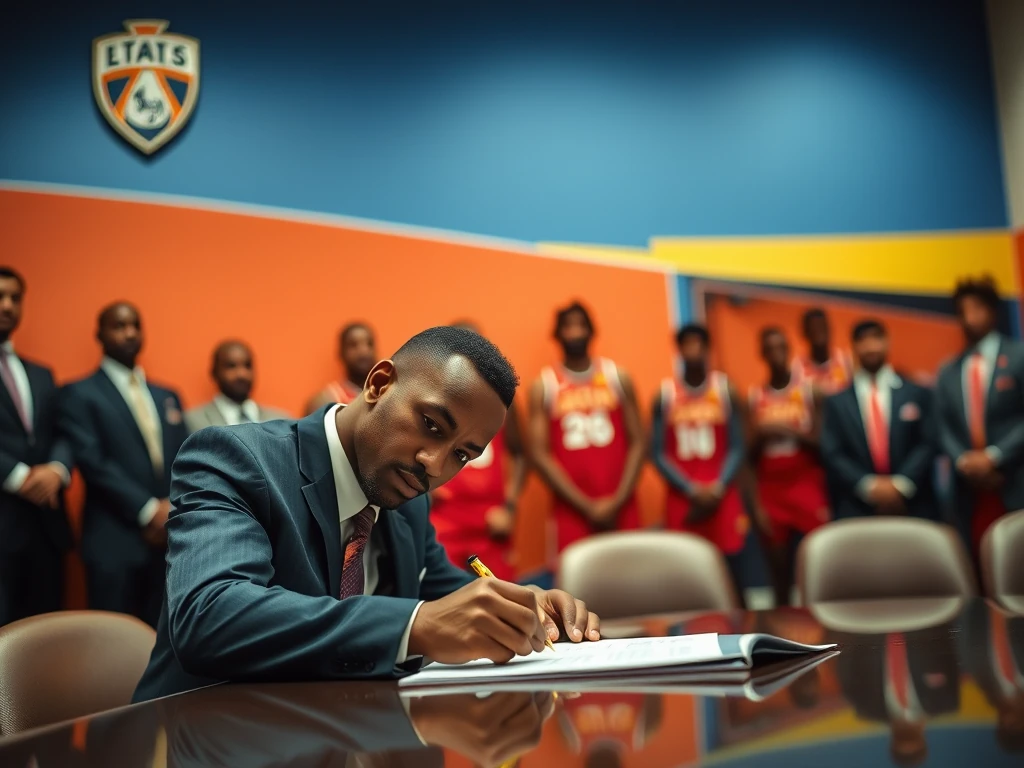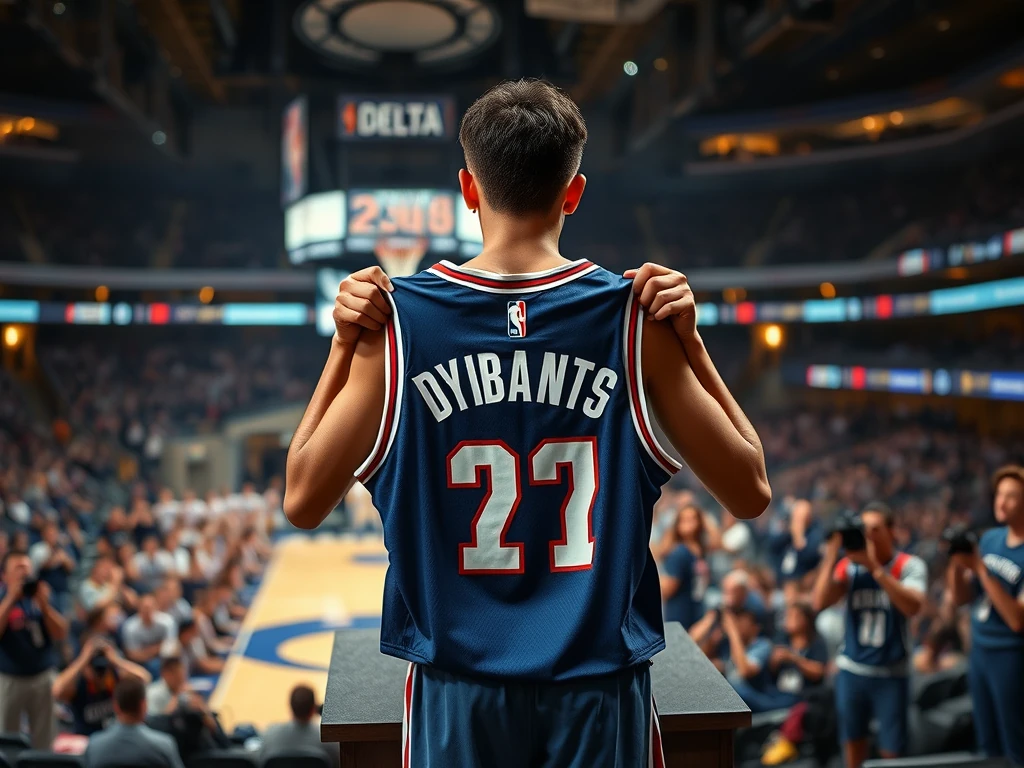

The 2007 NBA Draft is often overshadowed by the more celebrated moments in Utah Jazz history, yet it served as a crucial juncture for the franchise and its future. This draft not only brought in talented players but also marked a shift in the team's strategy, aligning with the aspirations of a franchise looking to return to championship contention.
In the first round of the draft, the Jazz selected a versatile player who would become instrumental in their future plans: Kyrylo Fesenko, a 7-foot center from Ukraine, was chosen with the 38th overall pick. While Fesenko did not achieve stardom, his height and shot-blocking ability provided the Jazz with a unique presence in the paint. His potential drew attention at a time when the Jazz were looking to bolster their frontcourt depth, especially behind established stars like Carlos Boozer and Mehmet Okur.
However, the true highlight of the 2007 Draft for the Jazz came later when they secured Bobby Simmons, a skilled swingman who would play a crucial role in the team’s perimeter offense. Simmons, while drafted by the San Antonio Spurs, was involved in a trade that brought him to Salt Lake City. His ability to shoot from deep, coupled with his defensive tenacity, made him a valuable asset in the Jazz's rotation. His addition to the lineup allowed the Jazz to stretch the floor, opening up driving lanes for point guard Deron Williams and creating an effective pick-and-roll dynamic that was difficult for opposing defenses to contain.
The Jazz also made their mark in the second round, selecting Morris Almond at 25th overall. Almond, a prolific scorer from Rice University, had a knack for putting points on the board, showcasing an impressive shooting touch from beyond the arc. Although his NBA journey was ultimately short-lived, his selection underscored the Jazz's commitment to developing young talent who could contribute to their offensive schemes.
The 2007 Draft's significance extended beyond the players selected; it illustrated Utah's evolving philosophy. Under the guidance of General Manager Kevin O'Connor and head coach Jerry Sloan, the Jazz were focused on blending established veterans with up-and-coming players. This approach would lay the groundwork for a team that consistently found itself in playoff contention throughout the late 2000s.
In the seasons following the 2007 Draft, the Jazz transformed into a formidable force in the Western Conference, largely due to the depth and versatility of their roster. The chemistry developed among players like Williams, Boozer, and the newly acquired Simmons, combined with the contributions of Fesenko and Almond, allowed Utah to execute various offensive strategies. Whether it was running isolation plays for Williams or utilizing Simmons in catch-and-shoot scenarios, the Jazz became known for their fluid ball movement and unselfish play.
Furthermore, the 2007 Draft laid the foundation for a strong core that would carry the Jazz through multiple playoff appearances, including deep runs in 2008 and 2009. The synergy established among the players selected during this period resonated throughout the organization, emphasizing the importance of teamwork and resilience.
Reflecting on the 2007 Draft, it is clear that while the Jazz may not have landed a franchise-altering superstar, they strategically positioned themselves to maintain competitiveness in the NBA landscape. By embracing a philosophy of development and depth, the Jazz set the stage for a successful era in their history, one that showcased their ability to adapt and thrive amidst change.