# Tactical Adjustments for the Jazz to Enhance Recent Performance
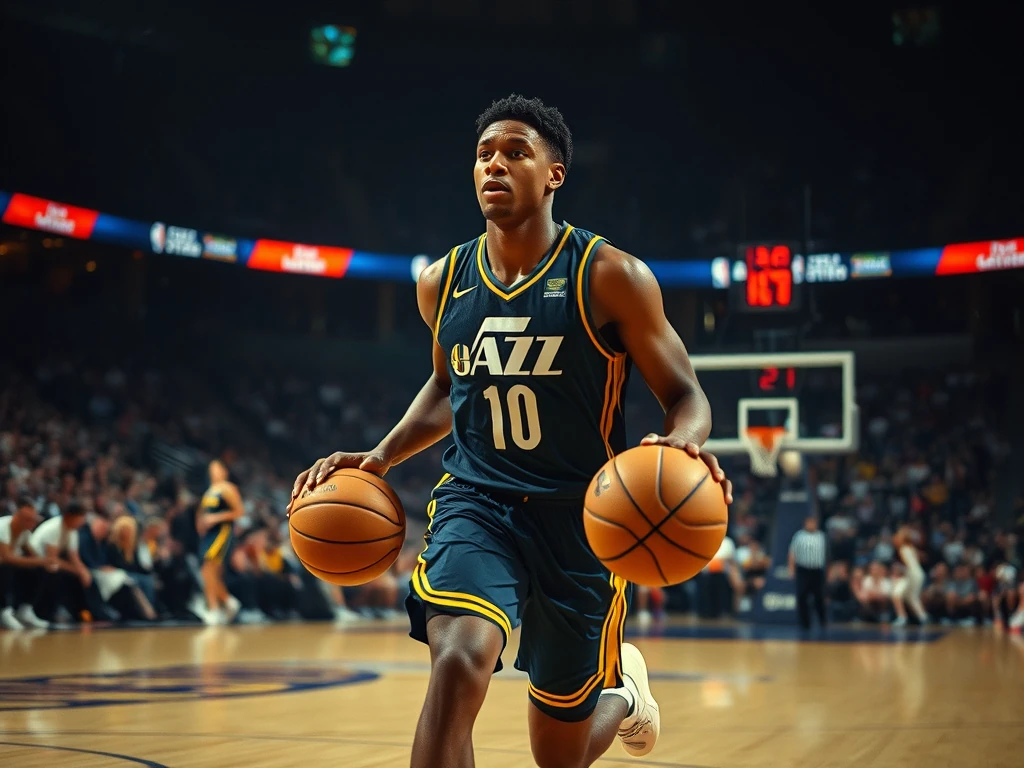
The Utah Jazz have been navigating a rollercoaster of performance in the early stages of this NBA season. While the team has shown flashes of potential, inconsistencies in execution have left fans craving a more cohesive approach. A tactical analysis reveals specific areas where adjustments could enhance the Jazz's overall game, leveraging their strengths while addressing some weaknesses.
Offense: Emphasizing Ball Movement and Off-Ball Screens
One of the key areas where the Jazz can improve is their offensive flow. The current isolation-heavy sets have led to stagnant possessions, often resulting in difficult shots late in the shot clock. Instead, a renewed focus on ball movement-specifically utilizing off-ball screens-can create more open looks for shooters like Lauri Markkanen and Jordan Clarkson.
The Jazz have the personnel to thrive in a motion offense that prioritizes quick passes and player movement. By integrating more pick and roll actions with their bigs, they can create mismatches against slower defenders, allowing guards like Collin Sexton to penetrate the paint more effectively. Furthermore, increasing the number of off-ball screens for shooters can help free them up, leading to higher-quality three-point attempts that could significantly improve their current 3P%.
Defense: Switching and Rotating Effectively
On the defensive end, the Jazz have shown resilience but have also been prone to lapses, particularly when switching on screens. Implementing a more disciplined switching scheme could mitigate mismatches and reduce open perimeter shots for opponents. This tactic requires players to communicate effectively, ensuring that everyone understands when to switch and when to fight through screens.
In addition, the Jazz must focus on their rotation after switches. Often, the initial switch could lead to confusion, resulting in defensive breakdowns. By emphasizing quick rotations and helping the helper, they can close out on shooters more effectively and limit open shot opportunities from the perimeter. This adjustment will not only improve their defensive efficiency but also contribute to creating turnovers, leading to transition opportunities.
Transition Offense: Pushing the Pace
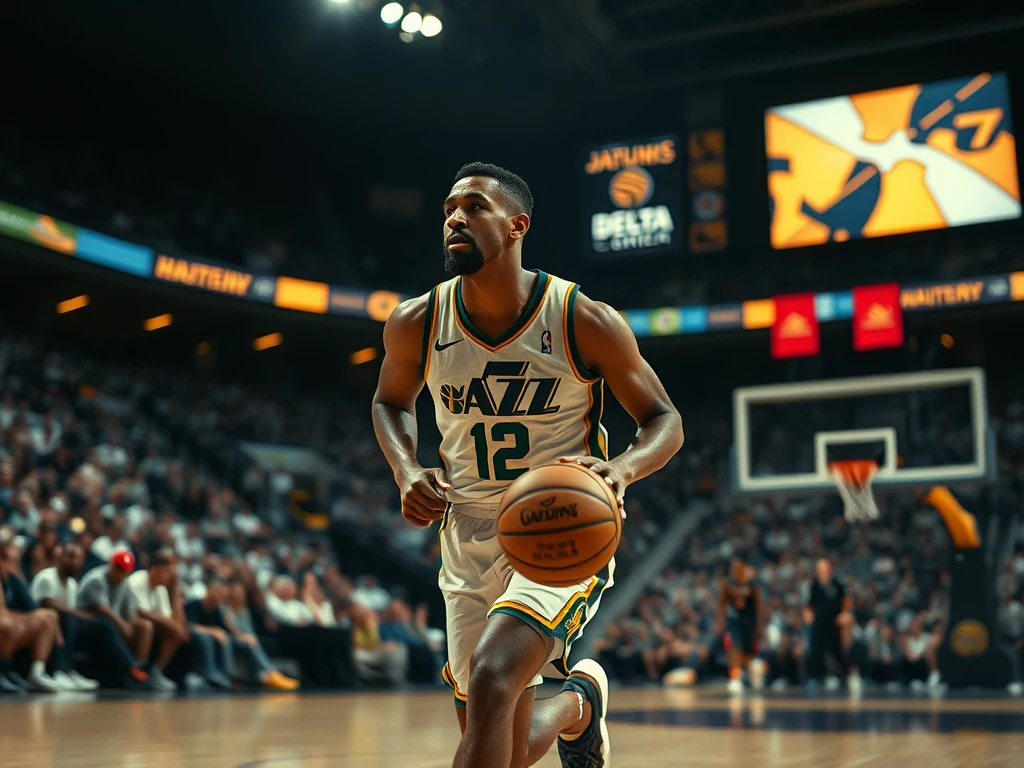
The Jazz have the athleticism and speed to excel in transition, yet they have not consistently taken advantage of fast-break opportunities. Implementing a more aggressive push after defensive rebounds can catch opponents off guard, leading to easy baskets before the defense is set. Players like Talen Horton-Tucker and Sexton are particularly adept at pushing the pace, and encouraging them to sprint down the court can lead to high-percentage shots.
Additionally, the Jazz can benefit from improving their secondary break execution. Once the initial fast break is disrupted, a well-organized secondary break can create open looks, especially from the perimeter, as defenders scramble to recover. This strategic adjustment can enhance their scoring efficiency and allow them to capitalize on mismatches created during transition.
Conclusion: A Cohesive Approach to Winning
In summary, the Utah Jazz have the talent to compete at a high level but need to refine their tactical approach. By emphasizing ball movement, improving defensive communication, and pushing the pace in transition, the team can elevate their performance on both ends of the court. Implementing these tweaks could not only yield immediate results but also lay a solid foundation for sustained success throughout the season. As the Jazz continue to develop their identity, these adjustments may prove pivotal in their quest for playoff contention.