The End of an Era: Remembering Sonny Rollins
The jazz world is mourning the loss of Sonny Rollins, a towering figure in the world of music, who passed away at the impressive age of 95. Rollins, a master saxophonist, wasn't just a musician; he was a cultural icon whose artistry transcended the boundaries of jazz, influencing various genres, including hip-hop and even basketball culture. As fans reflect on his contributions, the intersection between his musical genius and the world of sports, particularly the NBA, becomes increasingly evident.
Rollins' unique sound and improvisational skills have inspired countless artists and athletes alike. His presence at venues like the Village Vanguard in New York City and his collaborations with legends such as Miles Davis have left an indelible mark on the jazz community. But what does Rollins' legacy mean for fans of the Utah Jazz and the broader NBA culture? Let's explore.
The Influence of Jazz on Basketball Culture
Jazz has long been intertwined with basketball, especially within the vibrant culture of the NBA. Players often draw inspiration from the improvisational nature of jazz, which reflects the spontaneity and creativity required on the court. Rollins' music, characterized by its intricate rhythms and melodic flights, mirrors the pace and flow of a basketball game, making it a fitting backdrop for highlights and player intros.
- Rhythm and Flow: Just like a well-executed pick and roll, jazz requires a natural flow and rhythm. Rollins' saxophone melodies can evoke the same emotions seen during a fast break or a game-winning shot. - Improvisation: Players like Donovan Mitchell and Rudy Gobert exhibit a level of improvisation on the court that can be likened to a jazz solo. Rollins’ ability to innovate on the saxophone parallels the creativity shown by players adapting to in-game situations. - Cultural Celebration: Jazz, rooted deeply in African American culture, shares a rich history with basketball, a sport that has also served as a platform for cultural expression and social change. Rollins’ work embodies this spirit, connecting fans of both jazz and basketball.
What This Means for Utah Jazz
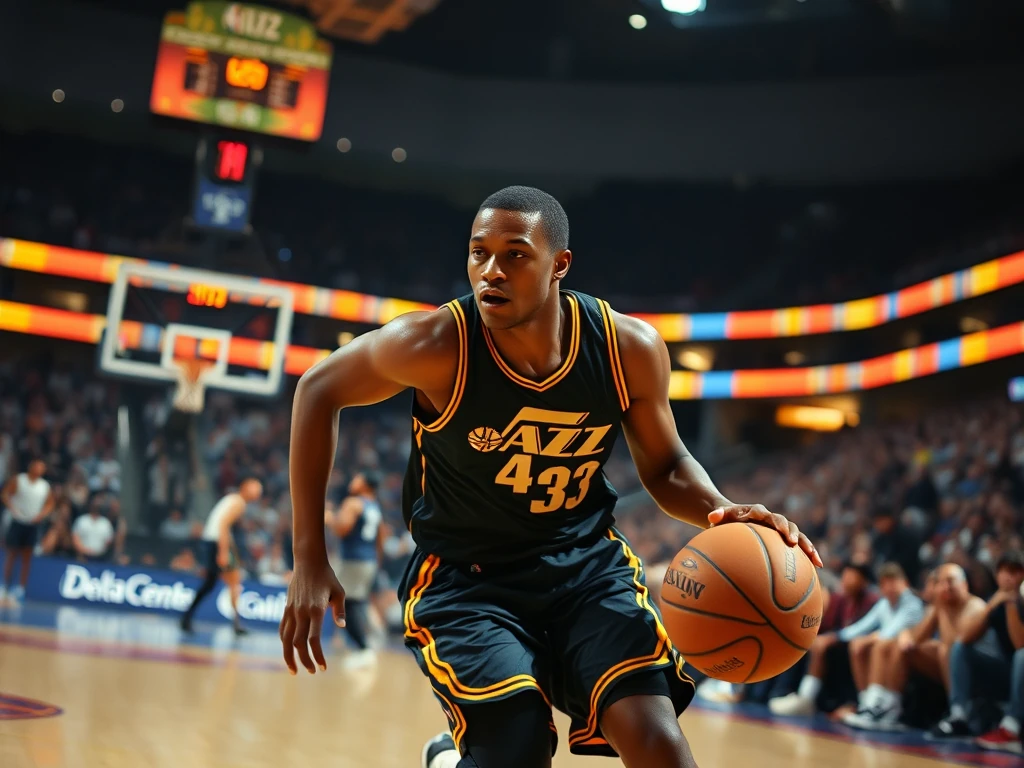
The Utah Jazz have always embraced their cultural roots, blending the passion for basketball with a love for music. With Rollins' passing, there's a renewed opportunity for the Jazz community to celebrate this connection. The franchise could consider hosting events that pay homage to Rollins, perhaps featuring live jazz performances at Vivint Arena on game nights. This could deepen the bond between the Jazz and their fans, many of whom appreciate the beauty of jazz.
Moreover, the influence of Rollins can serve as a motivational backdrop for players. As the Jazz look to improve their standing in the Western Conference, incorporating music that reflects Rollins’ spirit could inspire players to elevate their game. The emotional weight of jazz, particularly Rollins' compositions, can fuel the drive and passion needed in crucial moments throughout the season.
The Wider Championship Picture
As the NBA season unfolds, teams are jockeying for playoff positioning, and the Jazz are no exception. The influence of cultural icons like Rollins can serve as a reminder of the importance of legacy and perseverance, especially in high-stakes situations. Teams that maintain a strong connection to their cultural roots often exhibit a certain resilience, which can be pivotal in the playoff race.
- Legacy of Excellence: Just as Rollins pushed the boundaries of jazz, NBA teams must strive for greatness, learning from the past while innovating for the future. - Cultural Resilience: With the Jazz facing fierce competition from teams like the Golden State Warriors and the Los Angeles Lakers, maintaining a cultural identity rooted in the spirit of jazz could be crucial for their playoff success. - Mental Fortitude: Drawing inspiration from Rollins' life and career-marked by dedication and reinvention-could instill a sense of mental toughness in players when they've faced adversity.
Fan Reaction and Outlook
The Jazz fanbase is known for its loyalty and passion, and Rollins' passing has sparked a conversation about the role of music in sports. Fans have taken to social media to express their grief and share memories of attending jazz performances that resonated with their love for the game.
The sentiment is clear: Rollins’ music is more than just sound; it’s a unifying force that has the power to elevate the game experience. Fans are now calling for the Jazz to honour Rollins with tributes at the arena, suggesting that his music be played during games to celebrate his legacy.
- Tribute Events: Fans are advocating for tribute nights that feature live performances, creating a fusion of basketball and jazz that celebrates both the players and the music. - Community Engagement: Engaging with local jazz musicians could strengthen the connection between the team and the community, making the Jazz not just a basketball team, but a cultural hub.
Counter-Take: The Skeptics' View
Critics will argue that while the connection between jazz and basketball is meaningful, it may not directly impact the performance of the Jazz on the court. They point out that success in the NBA ultimately hinges on skill, teamwork, and strategy rather than cultural influences. While there’s truth to this viewpoint, the emotional and cultural connections in sports often provide players with the motivation they need to excel.