The upcoming NBA season for the Utah Jazz is poised to be transformative, especially with the anticipated arrival of an incoming rookie. This shift not only alters player dynamics but also raises questions about the future roles of existing players. Fans are eager to know how this change will impact the team’s performance and strategy on the court.
The Incoming Rookie: Who's Joining the Jazz?
The Jazz are set to welcome a highly-touted rookie, whose skills could make a significant impact on the roster. While specifics about the player are still under wraps, the expectation is that this newcomer will bring a versatile skill set that complements the existing roster. With the ability to score, rebound, and facilitate, this rookie could become a foundational piece for the Jazz's future.
- Scoring Ability: The rookie's offensive prowess can help alleviate pressure off established stars. - Defensive Versatility: Capable of guarding multiple positions, this player adds depth to the Jazz's defensive schemes. - Playmaking Skills: Their ability to create opportunities for teammates will be crucial in tight games.
Integrating a new player into the lineup isn't without its challenges. The coaching staff must ensure that chemistry develops quickly, especially during the early parts of the season. The Utah Jazz, known for their team-oriented playstyle, will need to adapt to maximize this rookie’s strengths.
Projected Rotation Changes
With the addition of this rookie, the most noticeable shift in the Jazz rotation involves moving Ace Bailey back to the bench. Bailey has proven to be a valuable asset, but the arrival of a new talent could necessitate a reconfiguration of minutes and roles.
- Cody Williams is expected to see an increase in responsibilities, allowing him to showcase his skills in a more prominent role. - Brice Sensabaugh, who has been developing steadily, may also see his minutes fluctuate as the team seeks to find the right balance. - The bench unit will likely feature a mix of seasoned players and emerging talents, fostering competition for minutes.
This reshuffling means that some players will need to adjust their game to fit into new roles. The coaching staff will have to closely monitor performance, ensuring that all players remain engaged and ready to contribute.
Tactical Adjustments on the Court
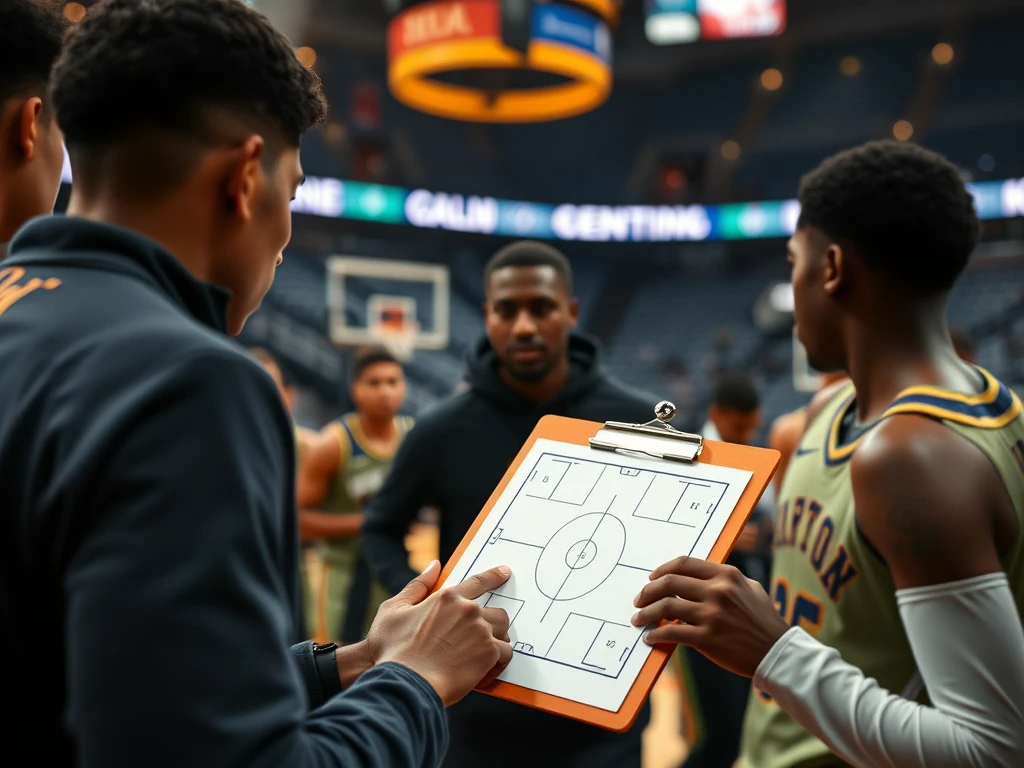
Adding a rookie to the mix often requires tactical adjustments. The Utah Jazz may look to incorporate more pick-and-roll plays, utilizing the rookie’s ability to both score and distribute the ball effectively. This strategy would create mismatches and open up opportunities for other players, particularly those who thrive on perimeter shooting.
Additionally, defensive schemes may also see an overhaul. Depending on the rookie’s skill set, the Jazz could increase their switchable defensive approach, allowing them to adapt to various offensive threats. This tactic could make them more formidable in the Western Conference, where versatility is key in playoff scenarios.
- Offensive Strategy: More focus on isolation plays for the rookie to leverage their scoring ability. - Defensive Strategy: Emphasizing a switch-heavy defense to keep opponents guessing.
Adjustments will also depend on the chemistry between the rookie and established players like Lauri Markkanen and Jordan Clarkson. Their ability to collaborate on the court will dictate how seamlessly the transition occurs.
What This Means for Utah Jazz
For fans of the Utah Jazz, this transition represents an exciting yet uncertain phase. The integration of a rookie brings hope for renewed energy and competitiveness, but it also raises questions about established players' roles and contributions. This dynamic could lead to a more competitive team, potentially improving their chances in the playoffs.
However, it’s crucial for the Jazz to maintain a balance between integrating new talent and ensuring veterans feel valued. If managed well, this transition could lead to a deeper playoff run and the development of a cohesive unit that thrives on both ends of the court.