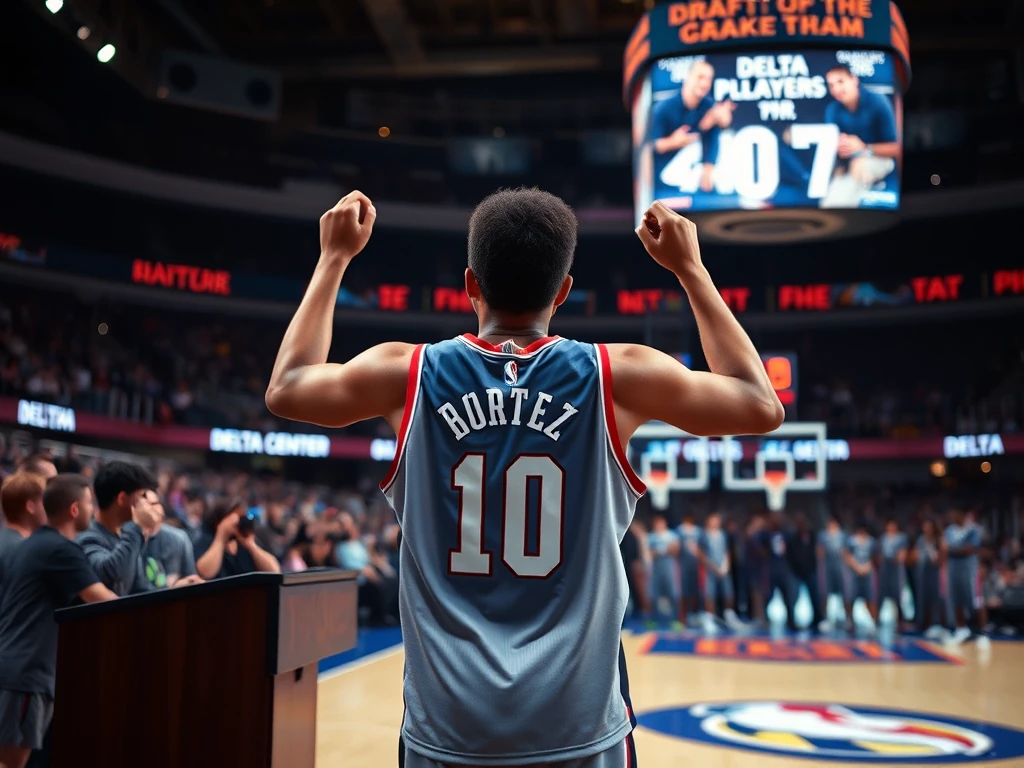
The offseason is upon us, and for the Utah Jazz, this year’s draft presents a unique set of challenges. Unlike previous seasons, where the decision-making process was straightforward, this year’s draft strategy might be anything but simple. With the stakes higher than ever, fans are left wondering how the Jazz will navigate these murky waters to bolster their roster.
The Draft Puzzle: What Makes This Year Different?
The 2023 NBA Draft isn't just about selecting the best talent available; it's about finding the right fit for the Jazz's evolving identity. The Jazz have been in a state of transition since the departure of Rudy Gobert and Donovan Mitchell. With a core that includes young talents like Lauri Markkanen and Walker Kessler, the team needs to consider how new draft picks will complement this emerging roster.
The complexity stems from the Jazz's position in the draft order and their asset flexibility. Currently sitting with the 9th overall pick, the Jazz have opportunities to either draft a promising player or use that pick to trade for established talent. The front office must weigh the potential of available players against the value they could bring through strategic trades. This balancing act could define the team's trajectory for years to come.
Key Prospects and Potential Fits
When considering the Jazz's draft strategy, several prospects stand out as potential fits. Here’s a look at a few players who could be on the Jazz's radar:
- Amen Thompson (Guard, Overtime Elite): Known for his exceptional athleticism and playmaking ability, Thompson could be a dynamic addition to the Jazz backcourt. - Brandon Miller (Forward, Alabama): A versatile scorer with a 3-point shooting touch, Miller fits the modern NBA style and could help stretch the floor. - Jarace Walker (Forward, Houston): A defensive powerhouse, Walker could provide the Jazz with the rim protection they’ve been missing.
Each of these players brings a unique skill set that could complement Utah's current roster. However, the Jazz need to consider the long-term implications of their choice, ensuring that the selected player aligns with their vision for the team's future.
What it Means for Utah Jazz
For Jazz fans, this draft represents more than just a selection; it symbolizes the future direction of the franchise. The Jazz are in a rebuilding phase, and the right draft pick could accelerate the process. If the team successfully integrates a talented player who can contribute immediately, it may enhance their competitive edge in the Western Conference.
Moreover, the draft is also a chance for the Jazz to send a message about their ambitions. A bold move could indicate a desire to return to playoff contention sooner rather than later. Fans should keep an eye on the front office’s decisions, as they will reflect the team's commitment to building a sustainable contender.
The Financial Landscape: Trade or Draft?
The financial implications of the Jazz's decisions this offseason are significant. With Jordan Clarkson and Collin Sexton both on the roster, the Jazz must evaluate how their contracts fit into the overall cap situation. Trading for a star could require parting ways with some of these players, and that could have a ripple effect on the team's chemistry and performance.
Moreover, if the Jazz decide to keep their pick and invest in a rookie, they’ll want to ensure that player can develop alongside their existing talent. The balance between immediate needs and long-term growth will be crucial during this offseason.
Fan Reactions: Optimism vs. Skepticism
Fans have varying opinions on the Jazz's draft strategy. Many are optimistic about the potential to land a franchise player, while others express skepticism about the team's ability to make the right choice. Social media is abuzz with speculation and analysis, showcasing a vibrant fan base eager to engage with the team's future.
Some fans argue that the team should focus on immediate impact players to hasten the rebuild process. Conversely, others believe the Jazz should take a patient approach, investing in young talent that can grow with the franchise over time.
Critics will argue that the Jazz should not rush their decisions, especially considering the complexities of player development and team dynamics. The flip side is that waiting too long to make impactful moves could cost the franchise valuable opportunities to compete in the league.