
Miles Davis and the Jazz Fusion Legacy: A Utah Jazz Perspective
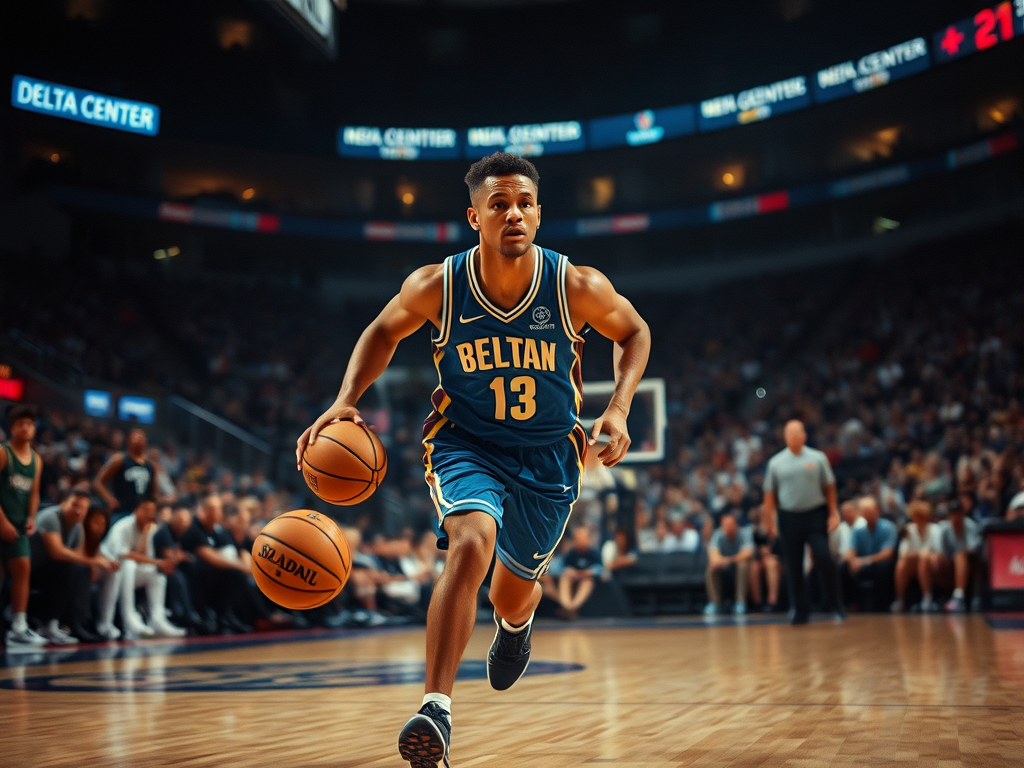
When it comes to the world of jazz fusion, **Miles Davis** stands as a monumental figure, and his legacy resonates deeply within various cultural spheres, including basketball. On 26 May 1991, Davis delivered what many consider his final performance, an event that not only showcased his genius but also solidified his position as a pioneer of jazz fusion. As fans of the **Utah Jazz** reflect on this historic performance, it's essential to explore how the rhythms of jazz can draw parallels to the dynamics of basketball, especially in today’s NBA landscape.
The Legacy of Miles Davis in Jazz Fusion **Miles Davis** was not just a musician; he was an architect of sound, constantly evolving and redefining his art. His approach to jazz was revolutionary, incorporating elements from various genres, which allowed him to create a unique fusion that would influence countless artists across different fields. This adaptability is akin to how basketball teams, including the **Utah Jazz**, must constantly evolve their strategies to stay competitive.
Davis’ 1991 performance showcased his innovative spirit as he fused traditional jazz with modern influences, demonstrating that jazz could still evolve. His ability to blend genres not only broadened the appeal of jazz but also served as a reminder that creativity knows no bounds. In basketball, players like **Donovan Mitchell** and **Rudy Gobert** embody this spirit, adapting their game to incorporate new skills while maintaining their unique playing styles.
Jazz Fusion and Basketball: A Cultural Connection The parallels between jazz fusion and basketball are striking. Just as Davis combined diverse musical styles, basketball players blend various skills and tactics on the court. The **Utah Jazz** have often embodied this fusion philosophy, with their emphasis on team play and a blend of offensive and defensive strategies. The team’s recent focus on ball movement and perimeter shooting reflects a similar innovation to that of Davis in music.
Jazz music and basketball both share a rhythmical quality. The flow of a jazz piece can be likened to the pace of a basketball game, where timing, improvisation, and teamwork are crucial. Players must read the game, much like musicians interpret a score, making split-second decisions that can change the course of a match. This synergy between music and sport creates a unique atmosphere that resonates with fans and players alike.
The Impact of Davis’ Final Performance Davis' last performance on 26 May 1991 at the **Montreux Jazz Festival** is a hallmark moment in music history. His set was a blend of classic pieces and new compositions, highlighting his relentless pursuit of innovation. Fans were treated to a masterclass in musicianship as Davis showcased the fluidity and complexity of jazz fusion.
For the **Utah Jazz**, this legacy serves as inspiration. The team has often sought to redefine their approach in the NBA, much like Davis redefined jazz. By embracing new playing styles and strategies, the Jazz continue to push the boundaries of what is possible on the court. This drive for innovation is crucial in a league that’s constantly evolving, where teams must adapt to remain competitive.
What this means for Utah Jazz For **Utah Jazz** fans, the connection between Miles Davis and their beloved team is more than just a shared name. It represents a commitment to innovation, teamwork, and the continual pursuit of excellence. Just as Davis pushed the limits of jazz, the Jazz strive to push the limits of their performance on the court. The ethos of jazz—creativity, adaptability, and collaboration—can be seen in the way the Jazz operate as a unit.
This cultural connection can galvanize the fanbase, encouraging them to embrace a philosophy that values growth and exploration. As the Jazz look to improve their standings in the **NBA**, they can draw from the well of inspiration that figures like Davis provide. The spirit of jazz fusion can be a guiding principle as the team looks to achieve greater heights in the coming seasons.
Fan Reaction and Outlook The reaction from fans about the parallels between jazz and basketball has been overwhelmingly positive. Many Jazz supporters appreciate the cultural significance of Davis, viewing him as a symbol of creativity and resilience. This appreciation fosters a deeper connection to the team, as fans see their commitment to teamwork and innovation reflected in the music they love.
- **Key Points from Miles Davis' Legacy:** - Innovator of jazz fusion, blending various musical styles. - His final performance showcased the evolution of jazz. - Similarities between jazz improvisation and basketball strategy. - The ethos of creativity and adaptability resonates with the **Utah Jazz**.
While the connection between jazz and basketball might seem abstract, it’s tangible in the way fans engage with both. The Jazz's identity, much like Davis’ music, is rooted in a commitment to excellence and a willingness to innovate. This perspective allows fans to see their team not just as athletes but as artists in their own right.