# Dannie Richmond's Jazz Drum Solo: A Historical Perspective
The world of jazz is filled with extraordinary moments that define not just the genre but also influence generations of musicians. Among these moments, Dannie Richmond's drum solo during the Charles Mingus Sextet performance at the Konserthuset in Stockholm on 3 September 1964 stands out as a pivotal moment in jazz history. This performance encapsulates the essence of improvisation, virtuosity, and the spirit of jazz itself.
The Context of the Performance
In the early 1960s, jazz was undergoing significant transformations. Charles Mingus, a towering figure in the genre, was known for his revolutionary approach to composition and performance. The Mingus Sextet, featuring talents like Eric Dolphy and Jaki Byard, was at the forefront of this movement. Their concert in Stockholm was not just another gig; it was a showcase of innovative jazz that challenged conventional boundaries.
Richmond's solo emerged from this rich tapestry. It wasn't merely a display of technical skill; it represented a dialogue between the drummer and the ensemble, reflecting the collective improvisational nature of jazz. The audience in Stockholm was treated to an unforgettable experience that would resonate through the decades.
The Solo's Technical Brilliance
Richmond's drum solo is often hailed as one of the best in jazz history, and for good reason. His unique approach combined intricate rhythms with an emotional depth that few drummers can achieve. Unlike many drummers who focus solely on speed or complexity, Richmond's solos are marked by their musicality.
- Syncopation: Richmond employed complex syncopated rhythms that kept the audience on the edge of their seats. - Dynamics: His use of soft accents and explosive crescendos highlighted the emotional range of the performance. - Interaction: The dialogue between Richmond and the other musicians created a sense of unity that is rarely seen.
Critics and jazz aficionados often dissect his techniques, noting how he played with the time signature and interacted with Mingus's bass lines, creating a rich tapestry of sound that was both cohesive and exhilarating.
Legacy of Richmond's Solo
The legacy of Dannie Richmond’s solo extends beyond the concert hall. It has inspired countless drummers and jazz musicians since 1964. Many view it as a benchmark for jazz drumming, exemplifying how a solo can elevate an entire performance. Richmond's ability to fuse rhythm with emotion set a standard that continues to influence modern jazz drummers.
Notably, the solo has been referenced in numerous educational materials, and many aspiring drummers study it to understand the intricacies of jazz drumming. Workshops and masterclasses often dissect this performance as a way to teach the principles of improvisation and interaction in jazz music.
What this means for Utah Jazz
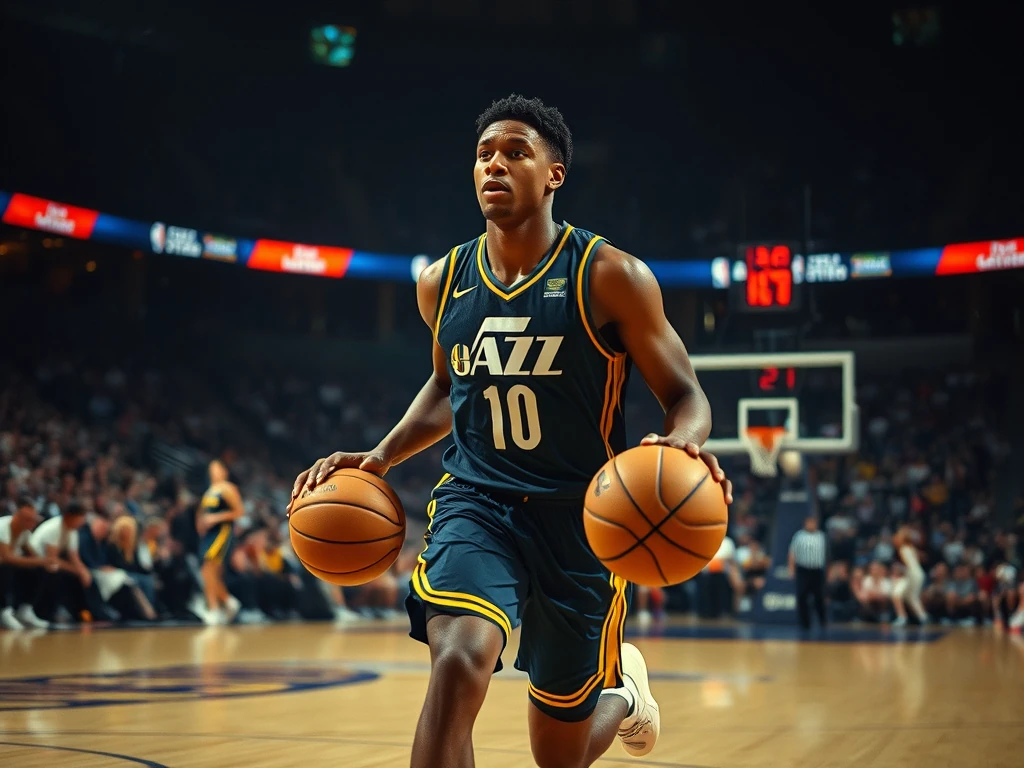
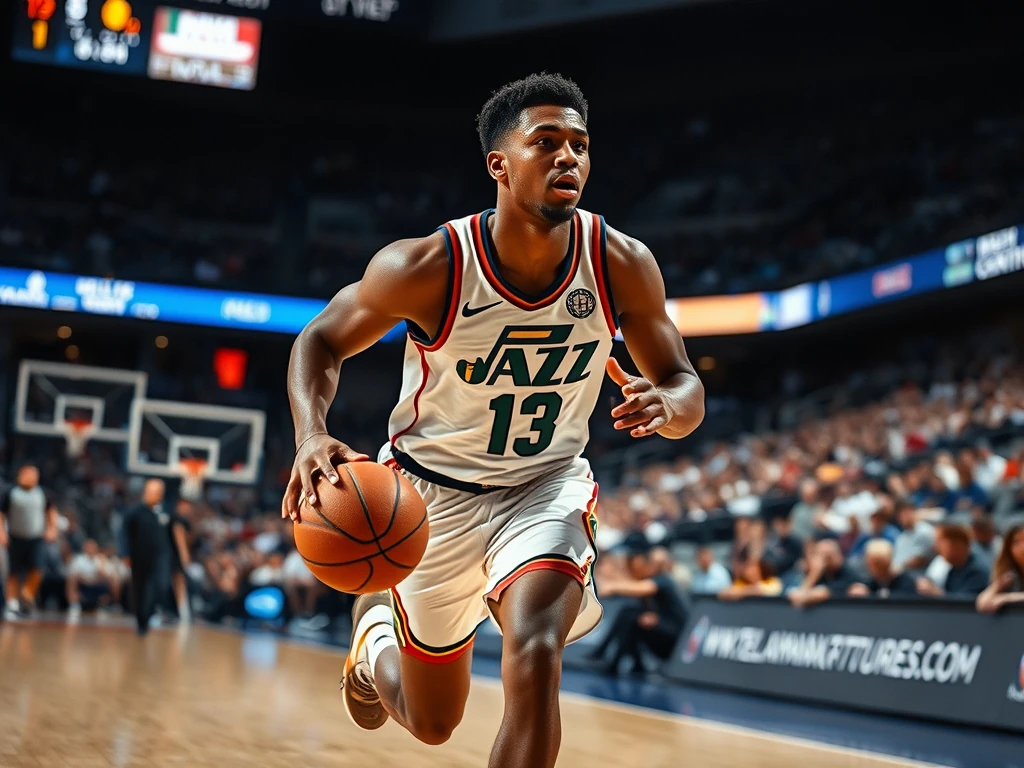
While the performance by Dannie Richmond might seem far removed from the world of the Utah Jazz, there's a direct correlation between the improvisational spirit of jazz music and the dynamic playstyle of the team. Just as Richmond's solo reflects the synergy of musical collaboration, the Jazz players rely on teamwork, communication, and individual brilliance to succeed on the court.
Fans of the Utah Jazz can draw parallels between the artistry of jazz music and the game of basketball. The improvisational nature of jazz mirrors the fluidity of plays executed on the hardwood. When players like Lauri Markkanen and Jordan Clarkson come together, they create a symphony of movement that resonates with the principles of jazz.
Fan Reaction and Cultural Impact
The reception of Richmond’s performance was overwhelmingly positive, and it remains a topic of discussion among jazz enthusiasts. Fans and critics alike often reminisce about the experience, citing it as a defining moment in live jazz history. Many remember how the energy in the room shifted during the solo, as the audience was captivated by the rhythmic innovation on display.
- Memorable Quotes: Critics have described the performance as “transcendent” and “a masterclass in improvisation.” - Cultural Significance: The solo is a reminder of the importance of live performance in jazz, contrasting with today’s heavily produced music landscape. - Continued Interest: Today, jazz festivals and events often feature tributes to Richmond, demonstrating the lasting influence of his artistry.